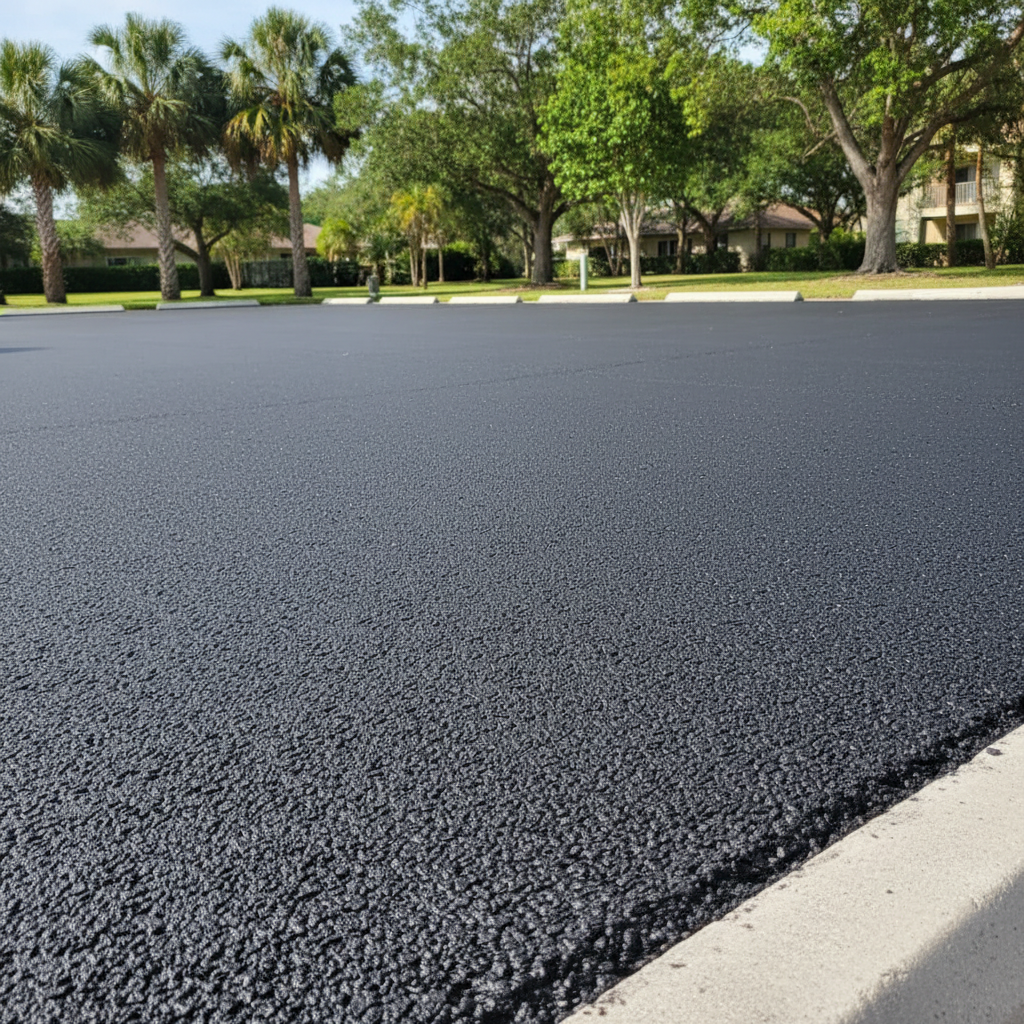
What's the best time of year to pave a parking lot in Sarasota?
Honestly, you can pave pretty much year-round here in Sarasota, no problem. But if you're looking for the absolute best conditions, I'd say late fall through early spring is ideal. That's typically November through April. Why those months? Well, it's usually drier then, and the temperatures stay more consistent. We get to avoid that intense summer heat and those daily torrential downpours that can really mess with how asphalt cures. When it's too hot, asphalt can take longer to set, and unexpected rain? That can wash out freshly laid material or even compromise the base. Sure, we've certainly done plenty of jobs in July – we're professionals, after all – but if you have the flexibility, those cooler, drier months are just less stressful for everyone involved. Plus, they generally lead to a better, more durable finish.
How long does a new asphalt parking lot typically last in our climate?
A well-installed asphalt parking lot in Sarasota, with proper maintenance, should give you a good 15 to 20 years. Sometimes even more! But that's the key part: "well-installed" and "proper maintenance." Our Florida sun and heavy rains are just plain tough on everything. UV rays break down the binder in the asphalt, and water infiltration is the real enemy here. If you've got a good, solid base, proper drainage, and you're sealing it every few years, you'll definitely get the most out of it. Neglect it, though, and you'll see cracking and potholes much sooner, maybe in just 5-7 years. It's like anything else, isn't it? Invest in the upfront quality and keep up with the small stuff, and it'll last.
What's the deal with drainage? How important is it for my parking lot?
Drainage isn't just important; it's absolutely critical. Especially here in Sarasota, where we get those afternoon deluges. Poor drainage is probably the number one killer of asphalt parking lots, hands down. If water just sits on your pavement, it's going to seep into cracks, get right under the asphalt, and erode the sub-base. Once that base starts to fail, your pavement will crack, heave, and form potholes. We're talking about serious structural damage then. When we design a parking lot, we're always thinking about the grade and slope to make sure water flows away efficiently, whether that's to catch basins, swales, or the street. Seriously, don't skimp on drainage; it'll save you a fortune in repairs down the line.
Should I repair or replace my existing parking lot?
That's the million-dollar question, and it really depends on how bad the damage is. If you've got isolated potholes, a few cracks, or some minor surface deterioration, repairs like patching, crack sealing, or even an overlay (that's adding a new layer of asphalt over the old one) can be very effective and cost-efficient. However, if you're seeing widespread alligator cracking, significant depressions, large areas of crumbling asphalt, or if the base itself is failing, then a full replacement is usually the smarter long-term investment. Trying to patch a parking lot with a compromised base is like putting a band-aid on a broken leg; it just won't hold up. I'll always come out, take a look, and give you an honest assessment. We've done plenty of both at Paradise Asphalt Inc., so we know what we're talking about.
What kind of maintenance does an asphalt parking lot need?
Regular maintenance is what keeps your parking lot looking good and lasting a long time. First off, keep it clean. Sweep away debris, leaves, and dirt that can trap moisture. Second, and this is huge: crack sealing. As soon as you see cracks, get them filled. This stops water from getting underneath the asphalt and causing bigger problems. Third, sealcoating. I recommend sealcoating every 2-4 years, depending on how much traffic it sees and how much sun it gets. Sealcoat protects the asphalt from UV rays, water, and chemicals like oil and gas. It also gives it that fresh, black look, which is nice. Finally, address potholes and damaged areas promptly. Don't let a small pothole turn into a crater.
How long does the paving process take for a typical parking lot?
The timeline varies a lot based on the lot's size, the scope of work (is it a new installation, an overlay, or a full depth repair?), and, of course, weather conditions. A smaller parking lot, say for a duplex or a small commercial building, might take a few days for prep, paving, and striping. A larger commercial parking lot could be a week or more. We always factor in things like curing time before you can drive on it, which is usually 24-48 hours for asphalt, and then another 24 hours for fresh striping. We'll give you a clear schedule upfront so you can plan for any temporary disruptions. Our goal is always to get you back to normal as quickly and efficiently as possible.
What's the difference between asphalt and concrete for parking lots?
Good question. Both have their place, but for most parking lots, asphalt is the go-to, especially here. Asphalt is generally more flexible, which means it handles our soil conditions and temperature fluctuations better without cracking as easily as concrete. It's also typically less expensive to install upfront and quicker to repair. Concrete, on the other hand, is much more rigid and durable, often lasting longer if installed perfectly. But it's also more expensive, takes longer to cure, and repairs are more complex and noticeable. For high-traffic areas with very heavy loads, like a loading dock for big trucks, concrete might be considered. But for your typical residential or commercial parking lot in Sarasota, asphalt usually offers the best balance of cost, performance, and ease of maintenance.